Public Transport stories
The transportation industry shows how a technology like IoT can be applied, built on, and provide new opportunities with the data it collects.
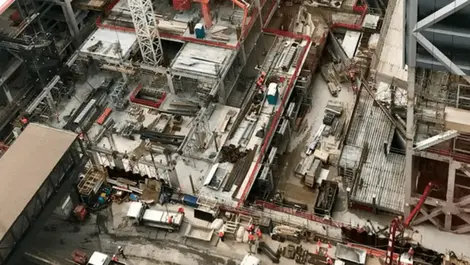
Auckland commuters are closer to a faster rail link as backfilling begins above a 3.45km tunnel set to ease city-centre travel.
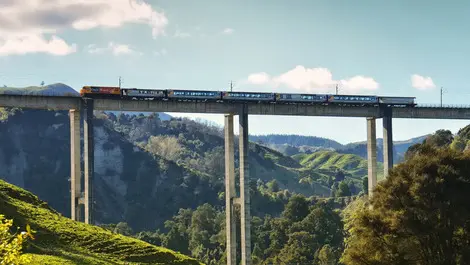
Around 110 rail services a week rely on the 315m South Rangitikei Viaduct, which has won a national concrete award for durability.
Road pricing and property levies are among the alternatives as petrol tax hikes end and transport funding gaps widen.
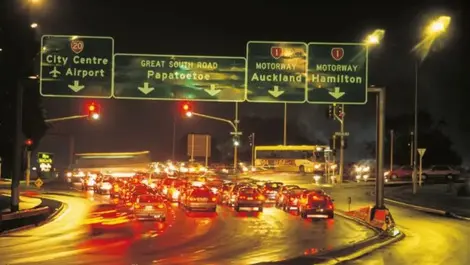
Auckland travellers may face years of uncertainty as officials weigh whether light rail or heavy rail best serves the airport link.
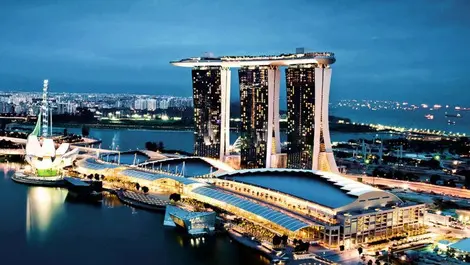
The trip will examine road pricing and value capture as New Zealand seeks faster, more integrated infrastructure planning from Asia's benchmarks.
The project’s funding gap has been narrowed after a consortium offered to match the governments’ combined AUD $10 billion commitment.
Private lenders are poised to back KiwiBuild, but officials must set clear rules if the scheme is to deliver 100,000 homes on time.
Road maintenance is up, but state highway investment is down sharply, heightening fears of a future infrastructure deficit as traffic grows.
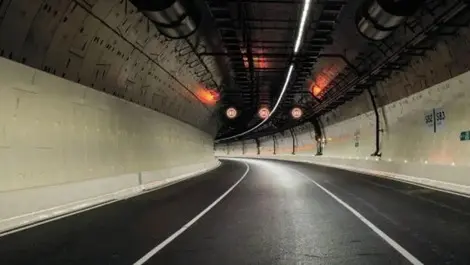
Durable materials and careful route planning are becoming central to 100-year tunnel designs as cities push more infrastructure underground.
More than 600 delegates will hear ministers, mayors and industry leaders discuss funding, transport and planning at Auckland’s biggest infrastructure conference.
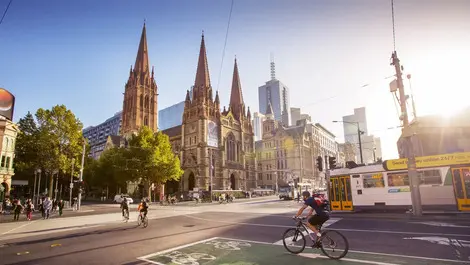
Space, safety and pollution concerns are driving a rethink in central Melbourne, where streets may be narrowed and parking repurposed.
Excluding asset recycling from the review could leave councils without a key option to fund roads, water and housing as costs rise.
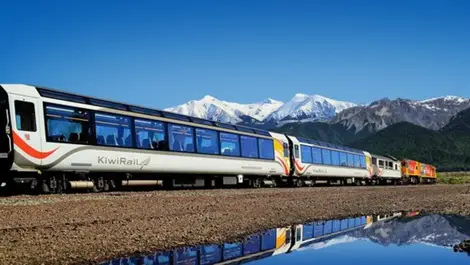
The rail operator plans to measure and report emissions, while shifting more freight off roads could cut New Zealand's annual output by 518,000 tonnes.
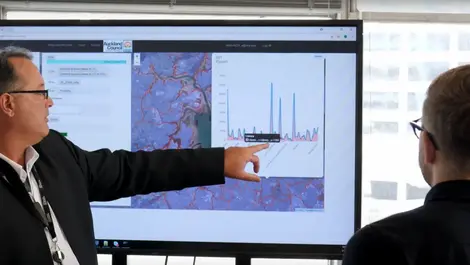
Planning decisions in Auckland will now be based on data processed in two days rather than months, as the council moves its portal to AWS Cloud.
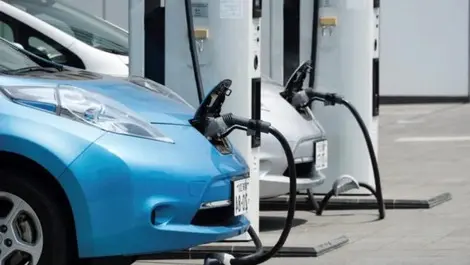
Lower-emission cars could become more affordable in New Zealand if ministers adopt incentives, fuel pricing reforms and tougher scrappage rules.
Record transport spending will not ease congestion or housing shortages fast enough, according to Infrastructure New Zealand, which says funding still lags Australia.
Civil firms fear a USD $2 billion lull in work could push skills and equipment overseas before rapid transit projects begin.
Walking or cycling to work was linked to a markedly lower risk of fatal heart disease and stroke in a UK study of 358,799 adults.
Councils are reluctant to fund growth infrastructure because central government captures the tax gains, an infrastructure expert says.