Public Transport stories
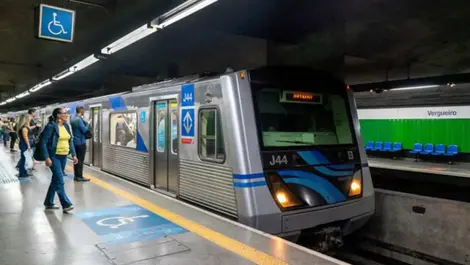
São Paulo Subway upgrades to Motorola Solutions' P25 digital radio, boosting safety and efficiency for three million daily passengers across key lines.
Optix marks 25 years with a European expansion, senior hires and new fatigue-detection tech as it targets faster global fleet-safety growth.
Australia's vast public sector is turning to AI to boost efficiency, cut costs and improve services, while navigating strict ethical safeguards.
ChatGPT has swept Apple's 2025 app charts in Australia, topping both free iPhone and iPad download lists as AI tools surge in popularity.
A study finds 69% of Brits would use buses more if services offered real-time info and tech upgrades, aiding UK Net Zero goals.
Greater Anglia leads UK train operators for work-friendly travel, excelling in reliability, comfort, Wi-Fi, and onboard facilities, aiding commuting professionals.
Univers partners with SBS Transit to launch an AI platform aiming to boost energy efficiency and sustainability across Singapore's public transport network.
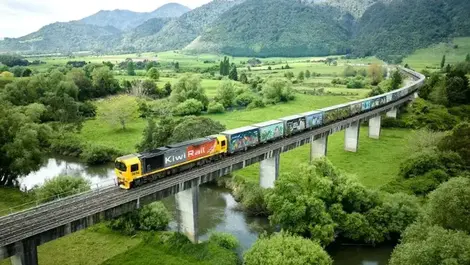
Commuter and freight reliability in Auckland and Wellington is being prioritised as KiwiRail trims spending by USD $200 million over three years.
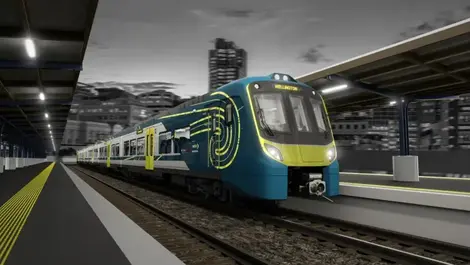
Passengers on the Manawatū and Wairarapa lines will see services doubled from 2030 as Greater Wellington orders 18 battery-electric trains.
Most Kiwi office staff already get perks, yet 76 percent plan to ask for more as pay freezes push them towards flexible benefits.
Ant International's Alipay+ now links 1.8 billion users across 100+ markets with AI-powered travel and payment services, boosting global transactions by 30%.
Siemens launches SICHARGE FLEX, a modular EV charging system delivering 480 kW to 1.68 MW, designed for rapid fleet charging and scalable deployment.
QNX and Medha partner to enhance India's metro safety by using QNX OS for Safety in Medha's train control systems across urban rail networks.
Road User Charging could redraw the economics of travel, giving buses and trains a chance to win far more commuters in New Zealand.
RushOwl has raised USD $10 million to expand its AI-driven ride-sharing platform across Asia, targeting markets including the Philippines, South Korea and Malaysia.
Councils warn the bill could saddle ratepayers with unfunded duties, as toilets, cemeteries and consenting are left off the core services list.
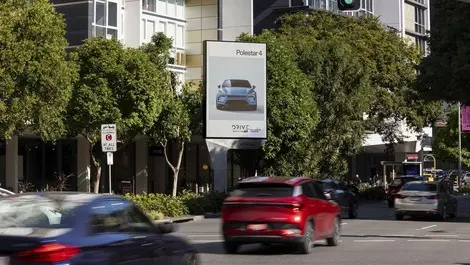
JCDecaux unveils its ASPIRE digital screen network across six prime Brisbane locations, boosting advertiser reach ahead of the 2032 Olympic Games.
Mastercard's Transit Tales offers Sydney commuters personalised AI-generated audio stories during train rides, blending classic literature with modern genres.
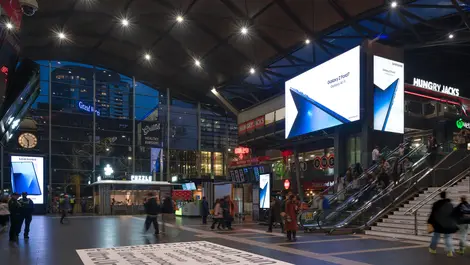
JCDecaux has launched a renewable-energy-powered digital media network at Melbourne's Southern Cross Station, featuring 3D screens and experiential zones.
Bolt has launched Family Profile in New Zealand, letting one account holder manage and pay for rides for up to nine others, simplifying group travel payments.











.webp)