Digital marketing stories
Businesses still pay for websites because AI often misses SEO migrations, design consistency and the technical work that makes a site perform properly.
Google's December core update could reward pages that answer longer, more complex buyer questions, boosting visibility for B2B firms.
Rising acquisition costs are pushing gaming publishers to tap creator-led communities that can keep players engaged long after launch.
Flat traffic charts may be masking shortlist-ready buyers, as AI search tools increasingly read B2B pages without sending visitors.
Poor tracking can make AI dashboards sound authoritative while still steering eCommerce budgets on unreliable figures.
In bilingual markets, AI assistants can hand the same brand two different reputations, depending on the language a customer uses to ask.
The Atlanta finale used a multi-camera livestream to showcase new machines and marketing tactics as laundromat operators sought more revenue streams.
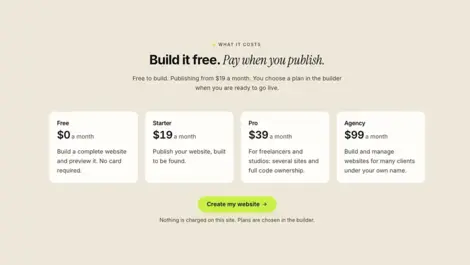
Small service businesses can now review a draft site free before publishing, with WEBiQ charging from USD $19 a month for live plans.
Only 15% of service and product portfolio firms combine unbranded search traffic, a clear homepage call to action and lead capture tools.
Without new measurement, firms risk pouring money into marketing that looks effective but fails to reinforce their brand or stand out in AI search.
Businesses are finding that AI answers now depend on reviews, forums and other off-site signals, making brand reputation as important as search visibility.
English AI checks can miss the local rivals German and French buyers actually see, with local-language answers drawing on different sources and brands.
A breach at one martech vendor can now put hundreds of client sites at risk, and most firms lack the protections to stop it.
More enterprise buyers are now making security proof a condition of software deals, prompting Upfluence to secure independent validation of its controls.
More than two-thirds of funded UK B2B tech startups are poorly understood by AI search tools, leaving buyers unable to find clear messaging.
The tie-up could give car makers a clearer view of how dealer follow-up affects sales, after years of limited visibility after an enquiry is made.
Retailers could streamline pricing and promotions with the new software, which links back-end data to shelf-edge displays and customer-facing content.
Firms are finding that AI can now produce most marketing assets, leaving the real competitive edge in the message and the story.
The new test suggests creators may soon use Instagram for long-form video as well as Reels, narrowing the gap with YouTube.
Poor product images are costing online retailers sales, with shoppers often deciding in under ten seconds and imagery shaping trust and choice.